



General Industrial Applications
General industrial applications encompass a wide range of processes, technologies, and systems that are utilized across various sectors to enhance productivity, efficiency, and safety. These applications are fundamental to the functioning of industries such as manufacturing, energy, construction, automotive, and more. They involve the use of machinery, automation, robotics, and advanced materials to streamline operations and meet the growing demands of modern industrial environments.One of the most significant areas of general industrial applications is automation. Automated systems, including programmable logic controllers (PLCs), robotics, and computer numerical control (CNC) machines, are widely used to perform repetitive tasks with precision and consistency. Automation reduces human error, increases production speed, and lowers operational costs. For example, in manufacturing, robotic arms are employed for assembly, welding, painting, and material handling, ensuring high-quality output and minimizing downtime.Material handling is another critical aspect of industrial applications. Conveyor systems, forklifts, and automated guided vehicles (AGVs) are commonly used to transport raw materials, components, and finished products within facilities. Efficient material handling systems optimize workflow, reduce manual labor, and improve workplace safety by minimizing the risk of accidents.In the energy sector, industrial applications focus on power generation, distribution, and conservation. Technologies such as turbines, generators, and transformers are essential for producing and transmitting electricity. Additionally, energy management systems and smart grids are employed to monitor and optimize energy consumption, reducing waste and promoting sustainability.Process control is vital in industries like chemical, petrochemical, and food processing. Sensors, actuators, and control systems are used to monitor and regulate variables such as temperature, pressure, and flow rates. This ensures that processes operate within specified parameters, maintaining product quality and safety.Industrial safety is a top priority across all sectors. Safety equipment, such as personal protective equipment (PPE), fire suppression systems, and gas detectors, is essential to protect workers and prevent accidents. Furthermore, advanced technologies like machine vision and predictive maintenance systems are used to identify potential hazards and equipment failures before they occur.Additive manufacturing, or 3D printing, is an emerging industrial application that is transforming production processes. It enables the creation of complex components with minimal waste, reducing material costs and lead times. This technology is particularly valuable in industries such as aerospace, healthcare, and automotive, where customized parts are often required.Environmental sustainability is increasingly integrated into industrial applications. Technologies like waste recycling systems, water treatment plants, and emission control devices are employed to minimize the environmental impact of industrial activities. Companies are also adopting renewable energy sources and energy-efficient machinery to reduce their carbon footprint.In conclusion, general industrial applications are essential for driving innovation, efficiency, and sustainability across various sectors. By leveraging advanced technologies and systems, industries can enhance productivity, improve safety, and meet the challenges of a rapidly evolving global market.
Products
Category:
-
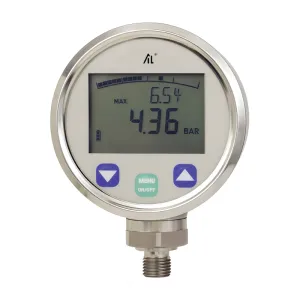
H31.31G
Category: Precision Digital Pressure GaugeBrowse number: 104Number:Release time: 2025-08-08 15:49:04Digital Pressure Gauges for General Industrial Applications
News
Category:
No search results found!
Case
Category:
No search results found!
Video
Category:
No search results found!
Download
Category:
No search results found!
Job
Category:
No search results found!
Featured Products
No search results found!



 WhatsApp
 Phone