



Calibration Interface
A calibration interface is a critical component in various industries, ensuring that instruments and devices operate accurately and consistently over time. It serves as a bridge between the calibration process and the equipment being calibrated, facilitating precise adjustments and measurements. This interface can be hardware-based, software-based, or a combination of both, depending on the application and the complexity of the system.In its simplest form, a calibration interface may consist of physical connectors, cables, and ports that link the calibration equipment to the device under test (DUT). These hardware components are designed to ensure a secure and reliable connection, minimizing signal loss or interference during the calibration process. For example, in electronic testing, a calibration interface might include precision adapters or probes to connect a multimeter or oscilloscope to the DUT.Software-based calibration interfaces, on the other hand, provide a user-friendly platform for configuring, monitoring, and documenting the calibration process. These interfaces often include graphical user interfaces (GUIs) that allow technicians to input calibration parameters, view real-time data, and generate reports. Advanced software interfaces may also incorporate algorithms to automate calibration routines, reducing human error and improving efficiency. For instance, in industrial automation, a calibration interface might integrate with programmable logic controllers (PLCs) to adjust sensor readings or control system parameters.One of the key features of a calibration interface is its ability to support multiple communication protocols. This ensures compatibility with a wide range of devices and systems, from simple analog instruments to complex digital networks. Common protocols include RS-232, USB, Ethernet, and wireless standards like Bluetooth or Wi-Fi. By supporting these protocols, the interface can seamlessly integrate into existing workflows and infrastructure.Accuracy and traceability are paramount in calibration, and a well-designed interface ensures that these standards are met. It often includes built-in error detection and correction mechanisms, as well as tools for validating calibration results. Additionally, the interface may support compliance with industry standards such as ISO/IEC 17025, which specifies requirements for testing and calibration laboratories.In summary, a calibration interface is an essential tool for maintaining the accuracy and reliability of measurement and control systems. Whether through hardware, software, or a combination of both, it streamlines the calibration process, enhances compatibility, and ensures adherence to industry standards. Its role is indispensable in industries ranging from manufacturing and healthcare to aerospace and telecommunications, where precision is critical.
Products
Category:
-
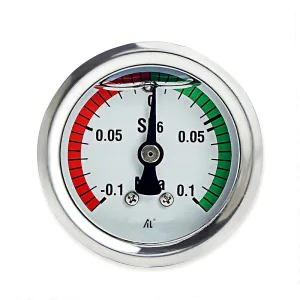
GHG60L
Category: SF6 Gas Pressure GaugeBrowse number: 142Number:Release time: 2025-08-11 10:48:15Online Fill Gas, Calibration Interface
News
Category:
No search results found!
Case
Category:
No search results found!
Video
Category:
No search results found!
Download
Category:
No search results found!
Job
Category:
No search results found!
Featured Products
No search results found!



 WhatsApp
 Phone